Don't need a full truck?
You shouldn't pay for one.
Less-than-truckload shipping lets you move freight economically without waiting to fill a truck or paying for space you don't use. We consolidate your load with other shippers heading the same direction — reliably, and without cutting corners.
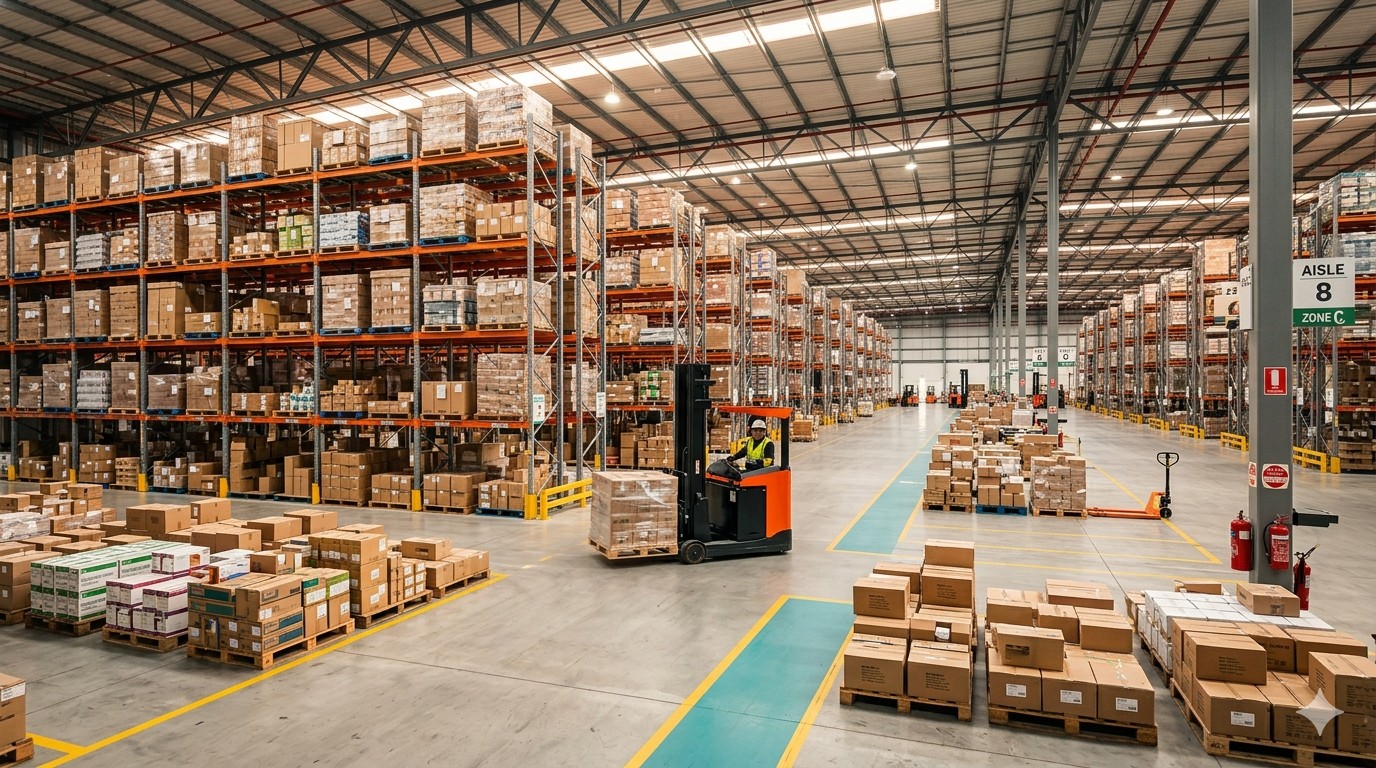
Your freight shares the truck.
You only pay for your portion.
LTL — less-than-truckload — is exactly what it sounds like. Instead of filling an entire trailer, your freight occupies only the space it needs. The remaining space is filled by other shippers' cargo heading in the same direction.
It's a smart, cost-effective solution for businesses that ship regularly but don't always have enough volume to justify a full truck. You get the reliability of professional freight transport at a fraction of the full truckload cost.
We handle the logistics of consolidation — matching your load with compatible freight, coordinating pickup and delivery windows, and making sure your goods arrive safely and on schedule.
Simple from your end.
We handle the complexity.
LTL shipping involves more coordination than a standard full truckload — but none of that complexity lands on you.
Tell us about your freight
Origin, destination, dimensions, weight, and any special handling needs. The more detail, the better your quote.
We find the right consolidation
We match your load with compatible freight heading the same direction — ensuring your goods travel with cargo that won't damage or delay them.
Pickup is scheduled
We coordinate pickup at your facility during a window that works for you. Your freight is loaded and secured alongside the other consolidated loads.
Delivered to its destination
Your freight is delivered and unloaded. We stay available throughout the transit in case anything needs attention.
Which is right for your shipment?
LTL isn't always the answer — and we'll tell you honestly if a full truckload would serve you better. Here's how to think about it.
Less than truckload
The right choice when your shipment doesn't fill a full trailer and cost-efficiency matters. You share space — and cost — with other shippers.
Full truck (FTL)
The better choice when speed, security, or volume demands dedicated space. Your freight gets its own trailer from pickup to delivery.
Not sure which fits your load? Talk to us — we'll give you a straight answer.
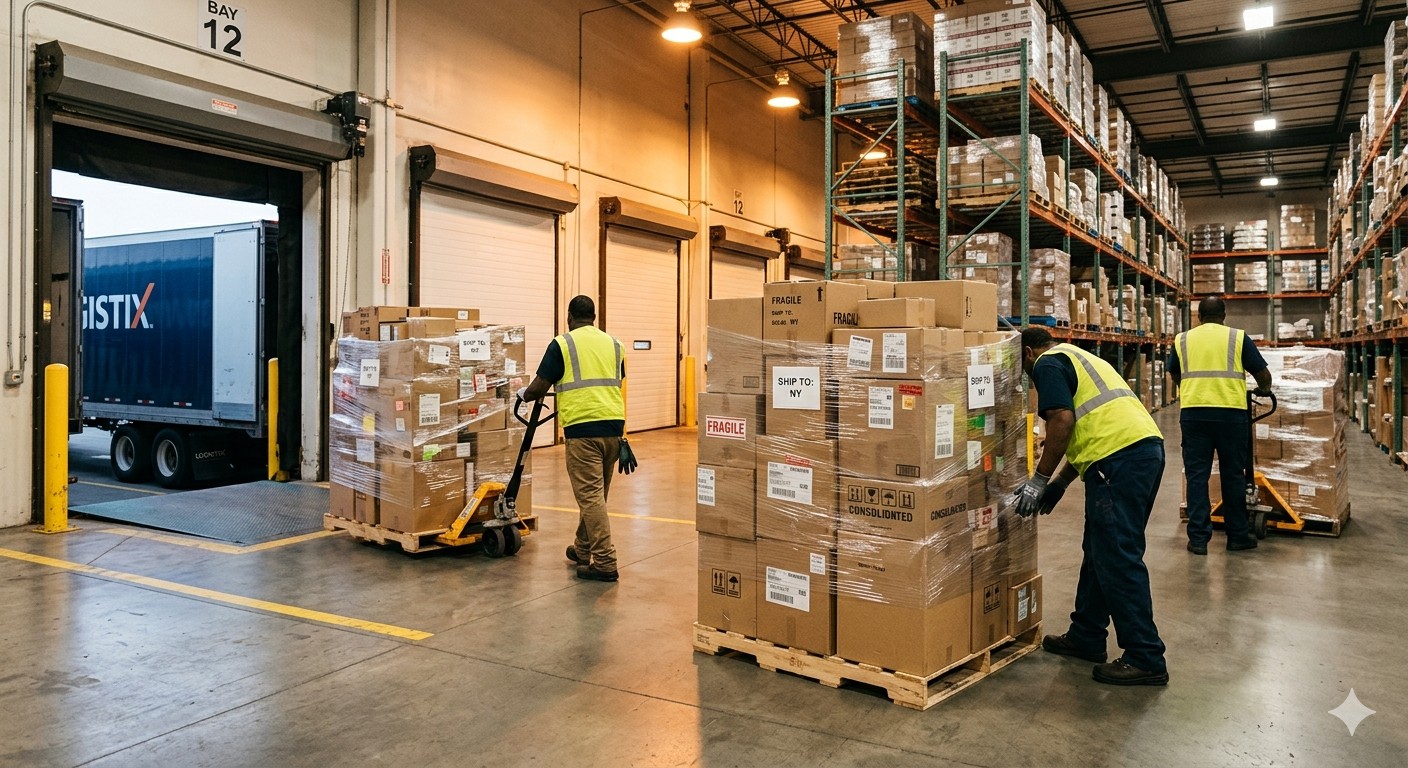
LTL works for more freight types than you might think.
Partial loads are commonly associated with small businesses or light shipments — but LTL is a practical solution for a wide range of freight types and business sizes. If your freight is palletized, properly packaged, and fits within standard weight and dimension limits, LTL is likely an option.
What we pay close attention to is compatibility. We don't just fill space — we make sure your freight travels with loads that won't cause damage through temperature, vibration, or incompatible stacking.
LTL is the right move for
more businesses than you'd expect.
If any of these sound familiar, partial load shipping is probably worth a conversation.
Small & mid-size businesses
You ship regularly but your orders don't fill a full truck. LTL lets you maintain consistent freight movement without overpaying for unused space.
Seasonal shippers
Your freight volume peaks at certain times of year. LTL gives you flexibility to scale shipping up or down without being locked into full truck commitments.
Just-in-time operations
Your production or retail model requires frequent, smaller shipments rather than large infrequent orders. LTL keeps inventory moving without overstocking.
E-commerce & fulfillment
Moving inventory between fulfillment centers or replenishing stock at retail locations? LTL is often the most cost-effective way to keep supply chains flowing.
New or growing businesses
You're building freight volume but not quite there yet. LTL lets you ship professionally and reliably while your business scales — without the cost of full trucks you can't fill.
Cost-conscious operations
Freight costs eat into margins. LTL is a straightforward way to reduce shipping spend without sacrificing reliability or requiring any changes to your operations.
LTL shipping FAQs
The questions we hear most about partial load shipping — answered plainly.
Ready to ship smarter?
Tell us about your freight and we'll figure out the most cost-effective way to move it — LTL, FTL, or something else entirely. No obligation, no runaround.